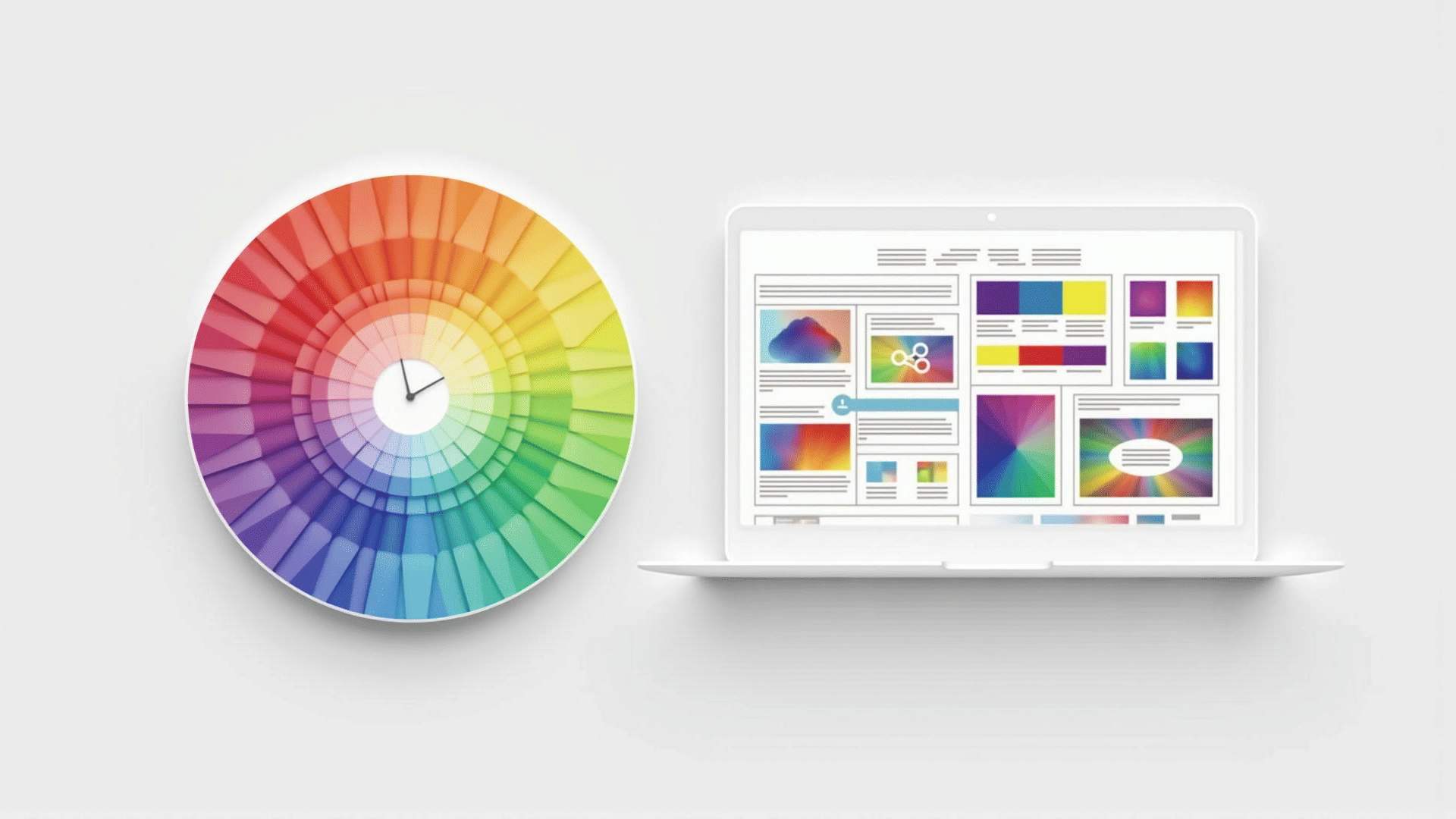
Understanding the nuances of color can significantly impact how users perceive and interact with a website. Colors are not just about aesthetic appeal; they play a crucial role in conveying messages, evoking emotions, and even driving user actions.
The Psychology of Color
Each color elicits different emotions and reactions. For example, blue is often associated with trust and calmness, which is why it's frequently used in environments where security is paramount. Red, on the other hand, can incite excitement or urgency, making it a powerful tool when used sparingly to highlight calls-to-action or important messages.
Warm vs. Cool Colors
Warm colors, such as reds, oranges, and yellows, are invigorating and can create a sense of warmth and comfort. They are known to grab attention and are often used to make a statement or highlight a key feature. Cool colors, including blues, greens, and purples, tend to have a calming effect and are associated with stability and professionalism. They are ideal for backgrounds or to create a more relaxing and harmonious look.
Creating a Cohesive Color Palette
A well-thought-out color palette is essential in establishing a harmonious visual experience. Here are some considerations when creating a color palette:
-
Contrast: Ensuring sufficient contrast between text and background colors improves readability and accessibility. High contrast draws attention and can help emphasize specific elements.
-
Complementary Colors: These are colors found opposite each other on the color wheel. Using complementary colors can create vibrant looks that stand out, especially for call-to-action buttons.
-
Analogous Colors: These are colors that are next to each other on the color wheel and generally soothe the eye. They are excellent for creating a unified and cohesive look.
-
Triadic Colors: A triadic color scheme uses three colors evenly spaced on the color wheel. It offers a balanced and vibrant appearance, even if you use subdued tones.
Cultural Considerations
Color perceptions can vary significantly across different cultures, affecting how a website is received internationally. Understanding these cultural differences is vital to ensure the website appeals to a diverse audience. For instance, while white is associated with purity in western countries, it can represent mourning in some eastern cultures.
Accessibility and Inclusivity
Color vision deficiency is a critical consideration in web design. Ensuring that your website caters to users with color blindness and other visual impairments is essential for inclusivity. Use tools and standards, like the Web Content Accessibility Guidelines (WCAG), to check color contrast ratios and ensure that your website’s color usage is accessible to all.
Testing and Feedback
Finally, testing multiple color schemes and getting user feedback can provide valuable insights into what works best. User preferences can often be unpredictable, so A/B testing different palettes can help determine which resonates most with visitors, ensuring a better user experience.
In conclusion, thoughtful and strategic use of color can profoundly influence user perception and engagement on a website. By applying color theory effectively, designers can create visually appealing, functional, and inclusive platforms that attract and retain users.